
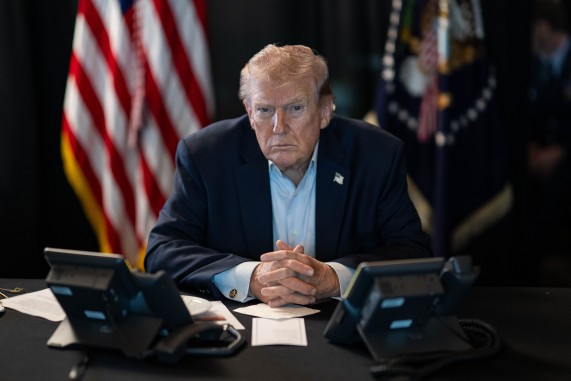
In a stark warning, President Donald Trump has announced that nations implementing digital services taxes targeting American technology companies might be met with a 100% tariff on all their exports to the United States. The President emphasized that several European countries are contemplating such taxes, which focus on U.S. tech giants, and cautioned that these actions could swiftly result in trade penalties. Furthermore, Trump indicated that these tariffs might supersede existing trade agreements with the countries involved.
Digital services taxes aim to ensure that large technology firms contribute taxes in nations where they derive business revenue. Proponents of the policy argue that it prevents these companies from relocating profits to minimize tax liabilities. However, critics contend that the taxes disproportionately affect American technology companies. President Trump’s recent remarks reflect his ongoing resistance to international regulations and taxation policies that impact leading U.S. tech entities. He has previously issued similar threats regarding trade actions against nations that have implemented digital tax measures.
The latest development is part of Trump’s broader strategy to shield American tech firms from foreign taxation and regulation. His administration has consistently opposed policies perceived as discriminatory towards U.S. companies, maintaining a firm stance against digital service taxes that specifically target American businesses.
As for India, it seems to be less impacted by this particular threat. The country has already scaled back some of its digital service tax policies and is reportedly deliberating further amendments as part of ongoing trade negotiations with the United States. This move is likely an effort to align more closely with U.S. trade expectations and avoid potential conflicts over taxation issues.