
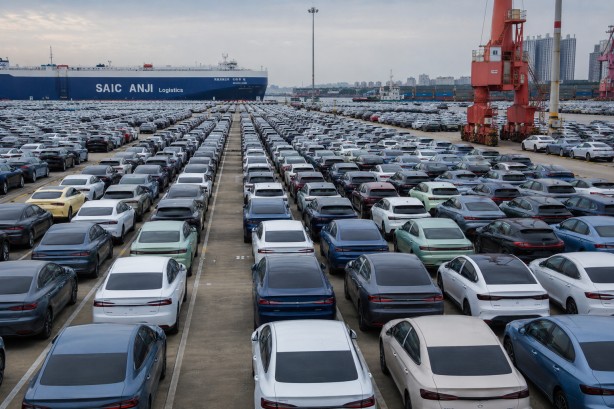
China’s emergence as the top global market for electric vehicles has significantly reshaped the automotive landscape, spurring the growth of prominent companies and influencing industry dynamics worldwide. The country’s ambitious push into this sector, however, has raised alarms over potential overproduction and the resulting heightened competition.
In the last ten years, the combination of governmental incentives, local investments, and robust consumer interest has encouraged a multitude of companies to delve into the electric vehicle industry. This approach has spurred the creation of some of China’s leading car manufacturers and bolstered its prowess in battery technology and sustainable transportation initiatives. Yet, this rapid expansion has, in certain instances, surpassed actual market demand.
China’s automakers, in their quest to dominate the market, have built facilities with a production capacity that currently exceeds consumer needs, triggering price battles and financial strain throughout the sector. The intense competition has seen manufacturers slashing prices to entice customers and secure a larger market share. While larger companies continue to pump resources into technological advancements, production capabilities, and international growth, smaller firms find it challenging to compete.
Authorities in China have recently expressed unease about the potential pitfalls of overcapacity, cautioning against the unchecked expansion that might pose economic threats. Industry experts suggest that the current predicament calls for a delicate balance between fostering innovation and maintaining healthy competition, all while ensuring sustainable growth in the long run.
Despite these challenges, China remains at the forefront of the global electric vehicle industry, with its manufacturers not only leading the domestic market but also making significant inroads into international arenas, thereby influencing the evolution of future transportation solutions.