
With heightened tensions continuing to simmer between Iran and the United States, China has stepped into the diplomatic arena, urging both nations to de-escalate and return to the negotiating table. The ongoing conflict has raised concerns about its impact not only on the countries involved but also on the broader international community.
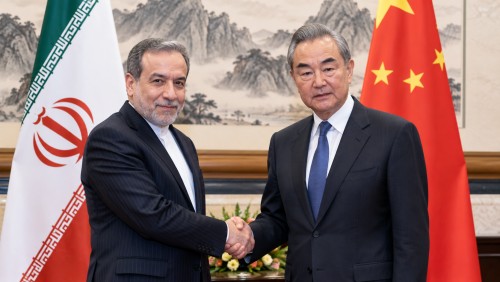
In a recent meeting in Beijing, Chinese Foreign Minister Wang Yi and his Iranian counterpart, Abbas Araghchi, discussed the importance of diplomatic engagement. Wang emphasized that the current standoff does not benefit any party, highlighting the need for both Iran and the United States to adhere to their existing memorandum of understanding and revive previous agreements as a foundation for new negotiations.
A significant point of discussion was the strategic Strait of Hormuz, a critical waterway for global energy supplies and international shipping routes. Wang called for its reopening, stressing the importance of maintaining stability in this key maritime corridor to ensure the smooth flow of international trade.
Beyond the immediate US-Iran friction, Wang also expressed concerns about the potential spillover of tensions into neighboring regions, such as Yemen and the Red Sea. He advocated for regional disputes to be managed through dialogue and peaceful negotiations, aiming to prevent further destabilization.
Iranian Foreign Minister Araghchi indicated Tehran’s readiness to reengage in diplomatic discussions while safeguarding its national interests. He reaffirmed Iran’s commitment to the existing US-Iran memorandum and expressed willingness to collaborate with regional countries to enhance relations and security. Furthermore, Araghchi welcomed China’s initiatives for promoting peace and security in the Middle East, signaling Tehran’s openness to deepening cooperation with Beijing.