
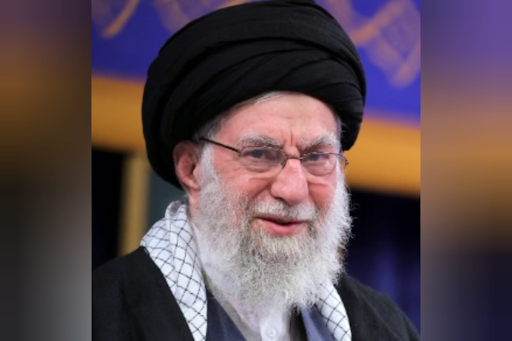
The Basij — formally the Organization for the Mobilization of the Oppressed — is the Islamic Republic’s domestic paramilitary force, an arm of the IRGC tasked with maintaining internal order and suppressing dissent. In the days since Khamenei’s death, Basij forces have been deployed in large numbers across Iranian cities, forming a highly visible presence that signals the regime’s determination to prevent any political challenge from materializing.
The Basij was established in the early days of the Islamic Republic and has served as a crucial instrument of social control ever since. Its members, drawn largely from the most ideologically committed segments of the population, receive religious and ideological training alongside their military preparation. They function as both a security force and a social network that extends the regime’s reach into neighborhoods, workplaces, and religious institutions.
During previous protest movements, the Basij played a central role in the violent suppression of demonstrators. Their use in the January crackdown — the deadliest episode of domestic repression in the Islamic Republic’s history — demonstrated that the force remains both willing and capable of using extreme violence when ordered to do so.
Their heavy deployment in the current situation serves multiple functions. It physically deters potential protesters by making the cost of political action immediately visible. It provides intelligence about public sentiment in neighborhoods and communities. And it signals to potential challengers, domestic and international, that the regime retains effective coercive control even in the absence of its Supreme Leader.
The Basij’s continued functioning also reflects the IRGC’s organizational coherence in the wake of Khamenei’s death. The paramilitary force received its deployment orders and executed them — evidence that the command chain remains intact at the critical middle levels of the security apparatus.