
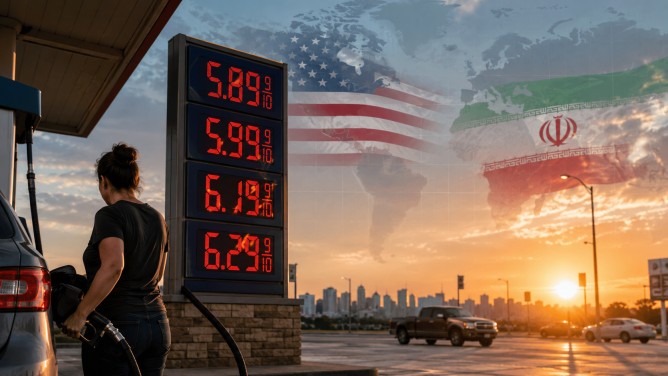
Gasoline prices across the United States have soared to unprecedented levels for the month of August, driven by stalled diplomatic discussions between the U.S. and Iran, alongside mounting tensions near the Strait of Hormuz, a critical channel for global oil distribution. Currently, the national average for gasoline has climbed to $4.06 per gallon, marking a 5-cent increase from the previous week and about a dollar more than the same period last year. States like California and Hawaii are experiencing even higher prices, with averages reaching approximately $5.50 per gallon.
The escalation in gasoline costs correlates with the sustained rise in oil prices following the escalation of hostilities between the U.S. and Israel against Iran. The disruption of shipments through the Strait of Hormuz has particularly influenced Brent crude prices, which had surged to $112 per barrel before a slight decline, yet remain considerably higher compared to last year. Although there was a temporary dip in gasoline prices when interim agreements eased the U.S.-Iran tensions, the stalling of these negotiations has reignited worries about a drawn-out conflict, leading to a renewed rise in fuel costs.
This latest spike in prices follows unsuccessful talks between the two nations regarding Iran’s nuclear ambitions, which were meant to be resolved within a 60-day period. Furthermore, President Trump’s recent threats against Oman have compounded fears of further regional conflict escalation. Such geopolitical uncertainties continue to weigh heavily on the energy market.
The surge in gasoline prices is adding financial strain on American households already grappling with high living costs. Over the past six months, consumers in the U.S. have spent tens of billions of dollars more on gasoline than they would have without the ongoing conflict. If these elevated energy costs persist, there could be a broader impact on the economy, potentially driving up inflation once again.