
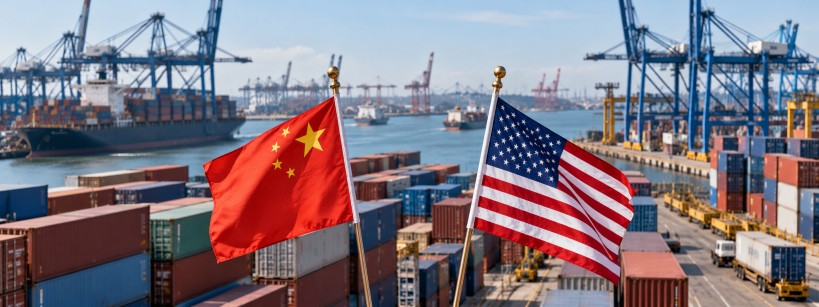
Recent economic and trade consultations between China and the United States have culminated in a significant agreement to reduce tariffs on approximately $30 billion worth of goods from each country. This development marks a crucial step in easing trade tensions between the two economic powerhouses.
Under the terms of the agreement, tariffs on about 90% of the products covered will be lowered to most-favoured-nation rates. The tariff reductions are set to take effect concurrently after both nations complete their respective domestic procedures. This move aims to bolster trade relations and provide economic relief to both sides.
In addition to the tariff agreement, China and the US have agreed to extend their current economic and trade arrangement, pushing the expiration date from November 10, 2026, to January 10, 2027. This extension allows more time for both parties to negotiate a longer-term agreement, which remains a key focus of their ongoing discussions.
To further strengthen bilateral trade relations, the two countries plan to establish a Board of Trade, which will facilitate ongoing trade discussions. An agricultural working group is also being formed to address market access and regulatory issues, reflecting the importance of agriculture in their trade relationship.
Furthermore, the agreement includes the creation of a bilateral investment board to explore investment opportunities, identify trade barriers, and enhance policy transparency. These measures are expected to provide a framework for smoother economic interactions between the two nations.
The dialogue between the US and China will also extend to the realm of artificial intelligence, with another round of talks scheduled before the end of November. A new communication channel will be established to address AI-related incidents, underscoring the growing significance of technology in international trade discussions.