
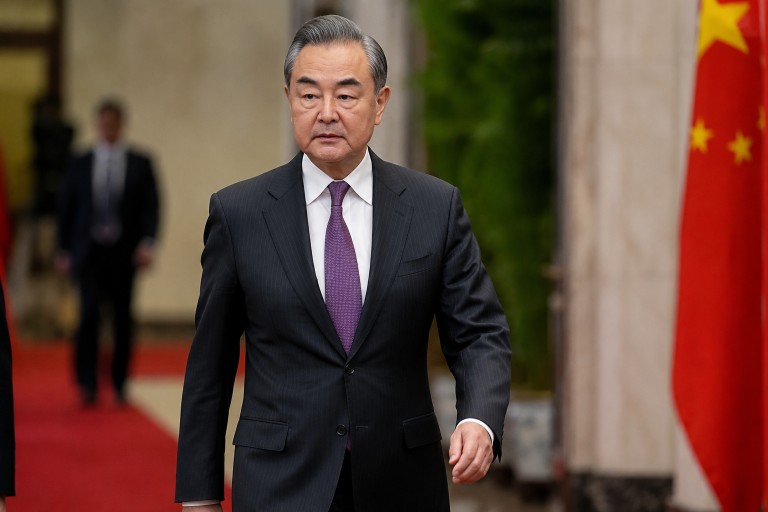
Amidst a backdrop of regional diplomacy, China has reiterated its resolve to bolster ties with Central Asian nations during Foreign Minister Wang Yi’s visit to Kyrgyzstan. This visit emphasized the importance of regional cooperation and multilateral coordination, with Wang engaging in significant discussions with leaders and foreign ministers from Kyrgyzstan, Uzbekistan, and Tajikistan. Key topics included enhancing collaboration through platforms such as the Shanghai Cooperation Organisation (SCO), the China–Central Asia mechanism, and the United Nations.
In a show of diplomatic support, China endorsed Kyrgyzstan’s upcoming hosting of the SCO Bishkek Summit, assuring continued backing for the nation’s sovereignty and territorial integrity. Both parties expressed a mutual commitment to deepening their cooperation on issues related to regional peace, security, and development, reflecting a shared vision for stability and prosperity in the region.
During dialogues with Uzbekistan, China underscored the significance of progressing the China–Kyrgyzstan–Uzbekistan Railway project, signaling an aspiration to broaden cooperation in sectors such as artificial intelligence, smart agriculture, and modern industrial development. These discussions highlight a strategic push towards integrating technological advancements with traditional economic partnerships.
Conversations with Tajikistan mirrored this collaborative spirit, with both nations reaffirming their dedication to enhancing bilateral relations. They are poised to expand practical cooperation in energy and regional connectivity, following the signing of a long-term friendship and cooperation treaty earlier this year. This reflects a deepening of ties centered around shared economic and strategic interests.
The visit exemplifies China’s expanding strategic partnership with Central Asia, with a pronounced focus on infrastructure development, trade, and technological innovation. As China continues to invest in these relationships, the emphasis remains on fostering regional stability and growth, reinforcing its role as a key player in Central Asia’s evolving geopolitical landscape.